
Where to Stay in Siem Reap: Best Areas & Hotels
We help you decide where to stay, then send you to trusted booking partners. Compare hotel options from Stay22, Hotels.com, trivago and ZenHotels.
Where should you stay in Siem Reap?
Walking distance to restaurants, bars, and markets means you can navigate independently without arranging transport each evening.
Hotels here eliminate the need for a pre-dawn drive to reach Angkor Wat's southern gate; you can start earlier or sleep longer.
Guesthouses here offer lower nightly rates than central options while keeping you close enough to reach the city center by tuk-tuk in minutes.
You can duck into stalls and workshops throughout the day without transport barriers, and arrive at key shopping hours before tour crowds.
The riverbank promenade offers a quieter alternative to the bar scene, with cafés and views that draw fewer package-tour groups.


Our independent assessment of how much planning Siem Reap typically requires for an independent traveller.
Why this score?+
Taxis, tuk-tuks, and ride-hailing apps readily available at airport; ~15km to city center with straightforward routes.
No formal public transit; tuk-tuks and taxis are informal but navigable for visitors; ride-hailing apps reduce friction.
English widely spoken in tourism zones, hotels, and restaurants; street vendors and rural areas require patience or translation apps.
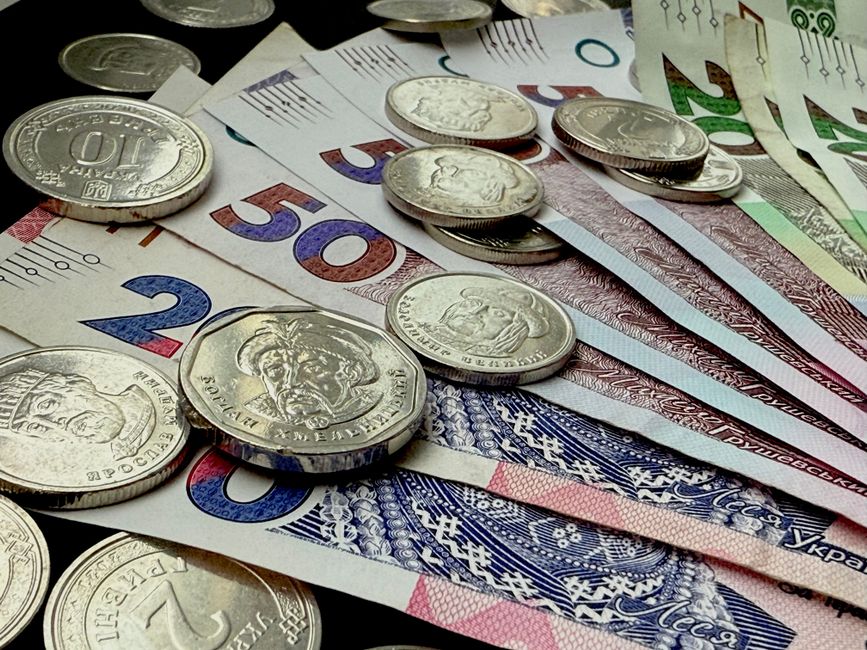
Cash (USD/Cambodian riel) still dominant; cards accepted in hotels and upscale venues; mobile payments less established.
Visa-on-arrival ($30–$35 USD cash) straightforward at airport, or e-visa obtainable online; most nationalities eligible.
Five distinct visitor zones clearly marked and geographically compact; easy to navigate between neighborhoods by tuk-tuk or map.
Generally safe tourist destination; petty theft in crowded markets; using registered taxis and staying alert mitigates typical risks.
This score measures trip-planning difficulty only, not destination quality — a spectacular destination can still be logistically demanding, and vice versa.
See real hotel options on the map
This is the only place on the page with live prices — everything below is editorial guidance to help you use it well.
Which neighborhood fits your trip?
First time in Siem Reap?
Stay connected in Siem Reap
Set up mobile data before you travel so you can get online as soon as you land, without needing to find a local SIM shop.
Check Holafly eSIMs for Cambodia →SageRooms may earn a commission if you purchase through an affiliate link.
Neighborhoods in Siem Reap
Editorial comparison — atmosphere and walking score are our own assessment, not live data.
| Area | Best for | Atmosphere | Transport | Nightlife | Families | Shopping | Walkability |
|---|---|---|---|---|---|---|---|
| Siem Reap City Center (Pub Street area) | Nightlife and dining | Lively, touristy | Excellent | Excellent | Good | Good | 5/5 |
| Old Market (Psar Chas) | Shopping and local food | Bustling, dense | Fair | Limited | Fair | Excellent | 4/5 |
| Wat Bo | Budget stays and calm | Quiet, residential | Fair | Limited | Excellent | Fair | 3/5 |
| Angkor Wat Area | Temple visits | Tourist-oriented, convenient | Good | Fair | Excellent | Fair | 2/5 |
| Siem Reap Riverside | Relaxation and scenic walks | Relaxed, scenic | Good | Good | Excellent | Fair | 4/5 |

Siem Reap City Center (Pub Street area)

Old Market (Psar Chas)
Wat Bo

Angkor Wat Area

Siem Reap Riverside
After considering everything in this guide, here's our short take on Siem Reap.
Comparing Siem Reap's neighborhoods
Siem Reap City Center (Pub Street area) vs Siem Reap Riverside
- • Evening and nightlife without planning transportation
- • Walking to multiple restaurants and bars in one night
- • Finding tourist services, tour operators, and last-minute bookings
- • Quieter evenings and sleeping without bar noise
- • Morning and sunset walks in a calmer setting
- • Escaping crowds while staying central
Angkor Wat Area vs Siem Reap City Center (Pub Street area)
- • Minimizing pre-dawn tuk-tuk commute to temples
- • Staying near your temple guide and tour logistics
- • Avoiding nightly navigation between accommodation and dining
- • Restaurant and bar variety within walking distance
- • Evening social scene and meeting other travelers
- • Broader access to shops, markets, and services
How many days do you need in Siem Reap?
Two days realistically covers Angkor Wat itself (one full day) plus a night exploring Siem Reap City Center or Old Market. This length works only if temples are your primary goal; you'll see the main temple complex but miss smaller sites and the city's rhythm.
A 3-4 day stay lets you spend a full day on Angkor, visit a second temple site (like Banteay Srei or the Roluos Group), and have a relaxed evening or morning in the city itself—enough time to choose a neighborhood that matches your pace rather than rushing through all of them.
Five or more days allows you to explore temples at a slower pace, take a day trip outside the core Angkor complex, spend time in neighborhoods like Wat Bo or Siem Reap Riverside without feeling rushed, and get a genuine sense of local life rather than just hitting highlights.
Common planning mistakes in Siem Reap
Siem Reap at a glance
How long should you stay in Siem Reap?
Arrive and settle into your neighborhood; spend the afternoon exploring Old Market (Psar Chas) for street food and local crafts, then enjoy dinner and drinks in Siem Reap City Center.
Take an early shuttle or tuk-tuk to Angkor Wat for sunrise and temple exploration until midday, then return to town for lunch and rest before an evening riverside walk or sunset drink.
Typical travel costs in Siem Reap
General estimates to help you plan — not tied to any specific booking.
Travel essentials
A few more things worth sorting before you land — same independent-advice approach as the rest of this page.
Compare flights across 800+ airlines, including combinations other search engines miss.
Search flightsFlight delayed or cancelled? Check whether you're owed compensation, up to €600.
Check eligibilitySageRooms may earn a commission if you book through these links.
Compare booking options
We don't hold inventory ourselves — here's why you might prefer each partner.
Good to know before choosing a Siem Reap hotel
- ✓If staying in Angkor Wat Area, check whether your hotel provides a complimentary or included shuttle to temples—some do, many don't, and the cost difference across a few nights is significant.
- ✓Confirm your hotel's distance from a main road if booking in Wat Bo or a quiet area; some guesthouses are down narrow alleys where tuk-tuks won't go, forcing you to walk luggage to the street.
- ✓Ask whether the hotel has air conditioning that runs 24/7 or shuts off at certain hours; Cambodia's heat makes this a comfort issue, not a luxury question.
- ✓Check the hotel's location relative to the street-light network if you plan evening walks; riverside and some residential areas have gaps in lighting that make late-night navigation uncomfortable.
Best for seeing everything at once — live prices from multiple sources plotted on a single map of the city.
Open mapGood if you already have a property in mind and want to book direct, with their own loyalty rewards.
Book nowBest for price-hunting — scans hundreds of sites at once so you can see who's cheapest today.
Search dealsThings to do in Siem Reap
Private local guide, Siem Reap
Skip the group tour — message a private local guide in Siem Reap and build your own itinerary.
Find a guidePractical information
🏥 Nearest hospital+
Siem Reap has several private clinics and the public provincial hospital; most travelers with minor issues visit international clinics in town.
💊 Pharmacies+
Pharmacies are plentiful in the city center and typically open from 7am to 10pm, with some 24‑hour options.
🚰 Tap water+
Tap water is not safe to drink; use bottled or filtered water and avoid ice from street vendors unless it’s made from purified water.
🔌 Power plug+
Plugs types A, C, and G are used; standard voltage is 230V, 50Hz (similar to UK/Europe).
🛂 Visa notes+
Most nationalities can obtain a visa on arrival at the airport for $30–$35 USD (cash only), or an e‑visa in advance. Always check the latest requirements with the Cambodian Ministry of Foreign Affairs before traveling.
Planning a trip to Siem Reap?
Turn this guide into a complete trip plan. Add your flights, accommodation, airport transfers and activities, and SageRooms will help you organise the journey and identify anything you may have missed.
Plan my Siem Reap journeyAn independent second opinion
Independent recommendations
Multiple booking partners
Editorial travel advice
No sponsored rankings
Transparent affiliate disclosure
Siem Reap FAQ
Best time of year to visit Siem Reap?+
The cool, dry season from November to February offers the most comfortable weather for temple visits. March to May is hotter, while the rainy season (June to October) has lush scenery but heavier downpours.
What is the average nightly budget for a hotel in Siem Reap?+
Budget hotels and guesthouses start around $20 per night, mid-range hotels run $40–$80, and luxury resorts can exceed $150. Prices vary with season and booking lead time.
How do I get around Siem Reap?+
Tuk-tuks are the most common and affordable way to travel, especially for temple tours. Ride-hailing apps (Grab, PassApp) are also available, and many hotels offer bicycle rentals for short trips.
Do I need a visa to visit Siem Reap?+
Most nationalities can get a tourist visa on arrival at the airport (payable in USD) or apply for an e-visa online. Check the latest entry rules before your trip.


